
Corporate Social Responsibility
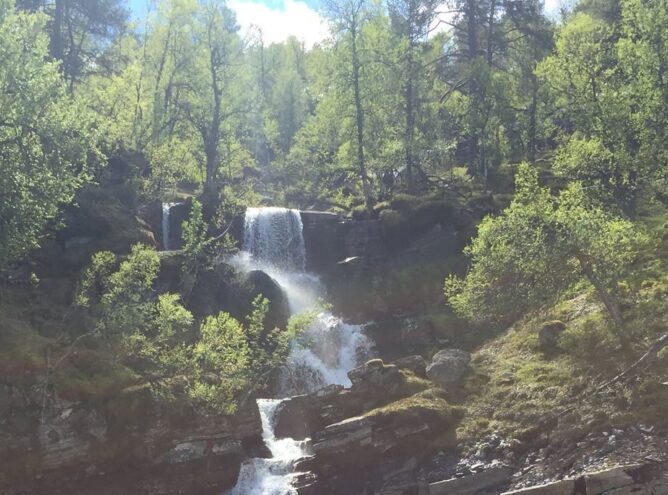
Hydropower is a renewable and clean energy source that does not emit greenhouse gases or cause other pollution. Clemens Kraft has 50 green hydropower plants located in small communities spread throughout rural Norway, delivering 100% renewable energy. The company specialises in small-scale hydropower and the efficient utilisation of nature’s water resources to meet the growing demand for electricity and contribute to net-zero emissions by 2050, while safeguarding the environment and biodiversity.
Clemens Kraft follows the guidelines of the Norwegian Water Resources and Energy Directorate (NVE) and supports development principles within the framework of ecological sustainability for Norwegian nature and aquatic environments. A sustainable approach is important both for development projects and existing production facilities. Increasing risks of flooding and avalanches are assessed during the planning phase, and measures are implemented to reduce possible damage to our facilities.
Environmental requirements such as minimum water flow and the installation of bypass valves are essential for complying with licence conditions and are carefully considered in the planning, design and operation of the power plants. Clemens Kraft contributes to clean water and water supplies for fish hatcheries in the local communities of which we are a part.
We prioritise creating value locally and regionally through sound land use, secure and safe jobs, and dialogue with local stakeholders such as landowners and reindeer herders to facilitate the sustainable use of shared natural resources.

Sustainability reporting - CSRD
Clemens Kraft has conducted a double materiality assessment to identify the environmental, social and business ethics matters that are most relevant to the company, both in terms of impacts beyond its own operations and how such matters affect the company internally. Although the EU’s new Corporate Sustainability Reporting Directive (CSRD) is not currently expected to apply to Clemens Kraft, the company has chosen to take a proactive approach to ESG responsibility. Establishing clear objectives and guidelines for meeting ESG expectations is therefore a key area of focus.
Of the ten reporting areas defined in the ESRS (European Sustainability Reporting Standards) – in addition to the two mandatory standards, ESRS 1 and 3 – the materiality assessment identified five topics as particularly relevant to Clemens Kraft. Within the environmental pillar (the E pillar), E1: Climate Change and E4: Biodiversity and Ecosystems were considered particularly important, as the company has a direct impact on these areas through its hydropower operations, both when operating power plants and developing new ones. In the social area, S2: Workers in the Value Chain and S3: Affected Communities were key topics. Listening to local communities is important in order to create the best possible project for everyone. Within the “Governance” reporting area, G1: Business Conduct was highlighted.
These results were carried forward into a subsequent GAP analysis, in which Clemens Kraft analysed what is required to achieve satisfactory reporting practices in accordance with the CSRD and ESRS. The analysis examined the difference between the current situation and the desired future state for the identified priority areas. This includes assessments of which measures should be prioritised, what expertise needs to be developed internally or brought in, and what resources are required to enable comprehensive and standardised reporting going forward. This has provided employees, management, the board and owners with an excellent overview and forms the basis for the continuation of the strategy.
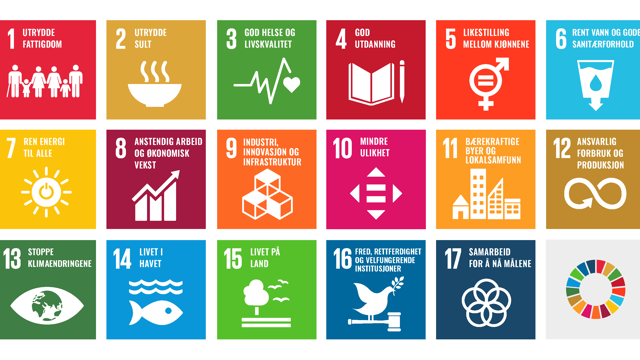
Clemens Kraft’s strategic sustainability efforts focus on three of the UN’s 17 Sustainable Development Goals. These goals are closely linked to our vision, our core business and the way we work.
Carbon footprint
Clemens Kraft’s power production comes from 100% renewable hydropower, and the company has very low CO₂ emissions during production. The carbon footprint is primarily limited to transport emissions associated with the operation, maintenance and rehabilitation of the power plants, as well as the general transport of employees. When developing hydropower, local considerations and global challenges must be weighed against each other. Our projects must be sustainable – for the economy, the environment and society.
Machinery used during the construction phase of hydropower plants is currently mainly powered by fossil fuels. When new construction projects commence, emissions will be measured continuously. Clemens Kraft recognises the need – together with other players in the small-scale hydropower industry – to pay greater attention to emissions during the construction phase of new power plants.
Guarantees of Origin (GoO)
A Guarantee of Origin (GoO) is an energy certificate defined in Article 15 of EU Directive 2009/28/EC, documenting that electricity originates from renewable sources. Clemens Kraft is awarded such guarantees for its production and sells certificates to third parties through a service provider. Clemens Kraft is a positive contributor to the GoO market and produces more guarantees than are necessary to cover its own emissions.